The Hidden Cost of Legacy Systems in UK Construction and Why the Industry Can’t Afford to Wait
The UK construction industry builds the infrastructure that keeps the country moving. Yet behind the projects and progress sits a quieter issue that continues to hold businesses back. Legacy systems.
Spreadsheets. Disconnected tools. Paper-based processes. Outdated software. These are still widely used across UK construction firms. They may feel familiar but they are costing far more than most leaders realise. Time, money, productivity and people are all impacted.
A Productivity Problem the UK Can’t Ignore
The UK construction sector has faced persistent productivity challenges for years. According to the Office for National Statistics, productivity in construction has remained largely flat since the financial crisis, falling behind many other industries.
Globally, construction productivity has grown at around 1% per year according to McKinsey. The UK reflects a similar trend.
A key driver is low digital adoption and continued reliance on outdated systems.
Legacy systems create fragmented data across teams. They force manual duplication. They slow decision making and increase human error.
When information sits across emails, spreadsheets, messaging apps and paper documents, teams spend more time chasing updates than delivering projects.
The Real Financial Impact in the UK
The cost of inefficiency across UK construction runs into billions of pounds every year.
The Infrastructure and Projects Authority regularly reports delays and cost overruns across major UK projects. Many projects exceed budgets by significant margins, putting pressure on already tight profitability.
Poor data and miscommunication are a major cause.
Industry research shows that bad data and disconnected systems can account for a significant portion of project waste. When applied to the UK construction sector, this equates to multi billion pound losses annually.
At a business level this shows up as:
- Lost hours through admin and duplication
- Costly rework
- Delayed timelines
- Reduced margins
Every outdated drawing, missed update or delayed approval carries a direct cost.
Communication Breakdowns and Risk
UK construction projects rely on coordination between contractors, subcontractors, consultants and office teams.
Legacy systems were not designed for this level of collaboration.
This leads to teams working from outdated information, a lack of accountability, increased rework and higher risk exposure.
Research shows that nearly half of rework across construction is driven by poor information and miscommunication. The same patterns are consistently seen across UK projects.
In an industry where margins are tight, rework quickly erodes profit.
The Human Cost Behind the Process
The impact is not just financial. It affects people.
Admin and office teams often carry the burden of outdated systems. They spend their time chasing paperwork, updating multiple systems and reacting to avoidable issues.
This creates stress, cognitive overload and longer working hours.
Studies across the construction sector show that poor data and disconnected workflows contribute directly to workplace stress and burnout.
In many businesses, admin teams become the glue holding broken processes together. It is not sustainable and it limits growth.
Why Legacy Systems Still Exist
Despite the impact, many UK construction firms still rely on legacy systems.
The reasons are familiar.
This is how things have always been done. There is concern about disruption. There is hesitation around cost. There is often limited internal digital expertise.
But the real risk today is not change. It is staying the same.
A Shift Happening Across the UK Industry
The UK construction sector is starting to change.
Driven by tighter margins, increased regulation and rising client expectations, more businesses are investing in digital transformation.
Companies that move away from legacy systems are seeing improvements in:
- Project delivery speed
- Cost control
- Collaboration
- Decision making using real time data
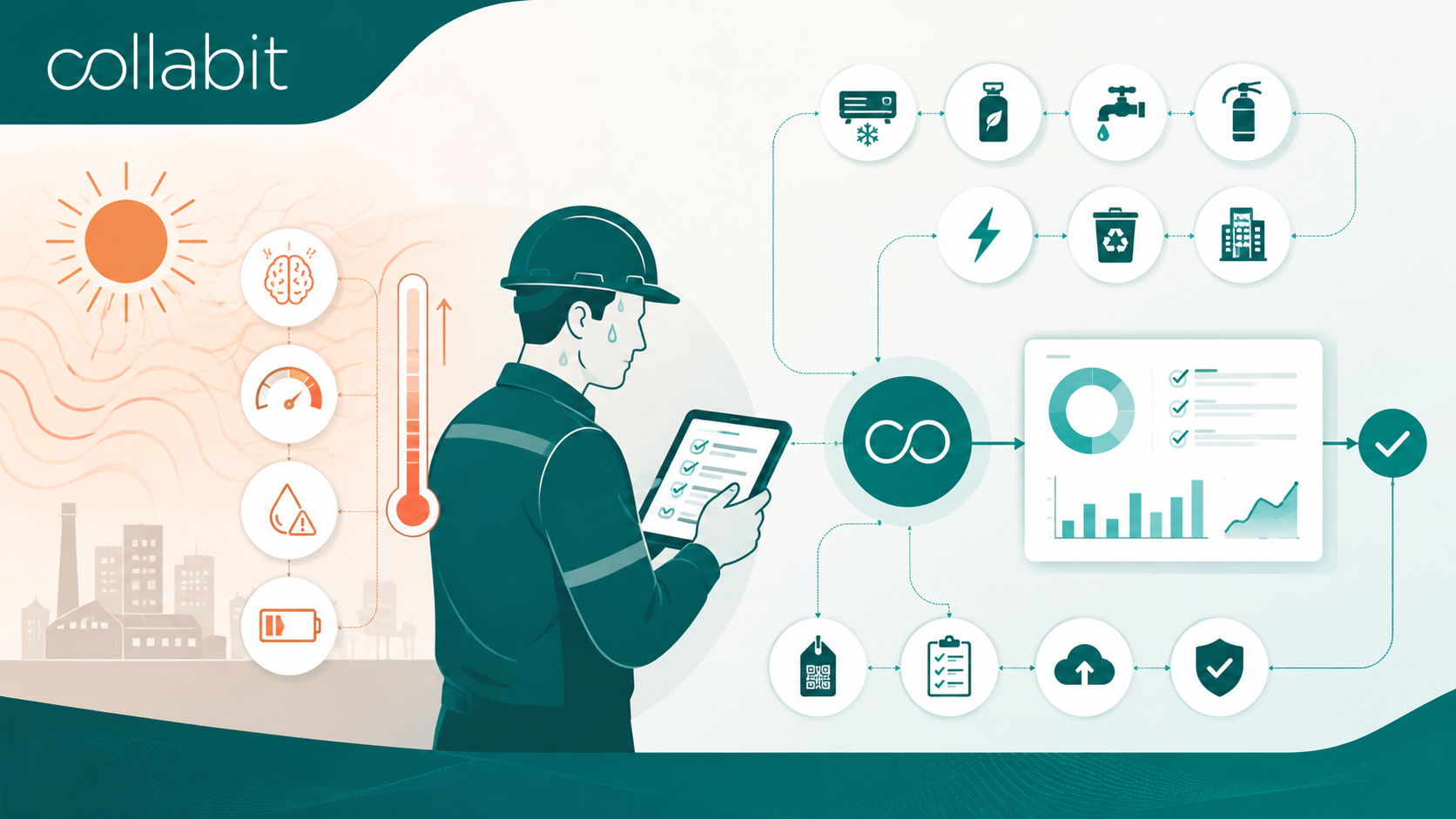
Modern platforms are designed to centralise information and connect site and office teams.
How Collabit Supports UK Construction Businesses
Collabit is built specifically for construction.
It replaces disconnected systems with one connected platform. It brings all project data into a single place. It removes manual duplication and automates key workflows.
Teams work from real time information. Communication improves. Accountability increases.
The result is greater control and less chaos.
Instead of chasing information, teams can focus on delivering projects on time and within budget.
The Competitive Advantage
The UK construction market is becoming more competitive. Margins are tightening and clients expect greater transparency.
Businesses that rely on legacy systems will continue to face delays, rising costs and increased risk.
Those that adopt connected systems will move faster, operate more efficiently and deliver stronger outcomes.
Final Thought
Legacy systems do not just slow projects down. They reduce profitability, increase risk and put pressure on the people trying to keep everything running.
The UK construction industry does not have a productivity problem by accident. It has a systems problem.
The businesses that solve it first will lead the future of construction.